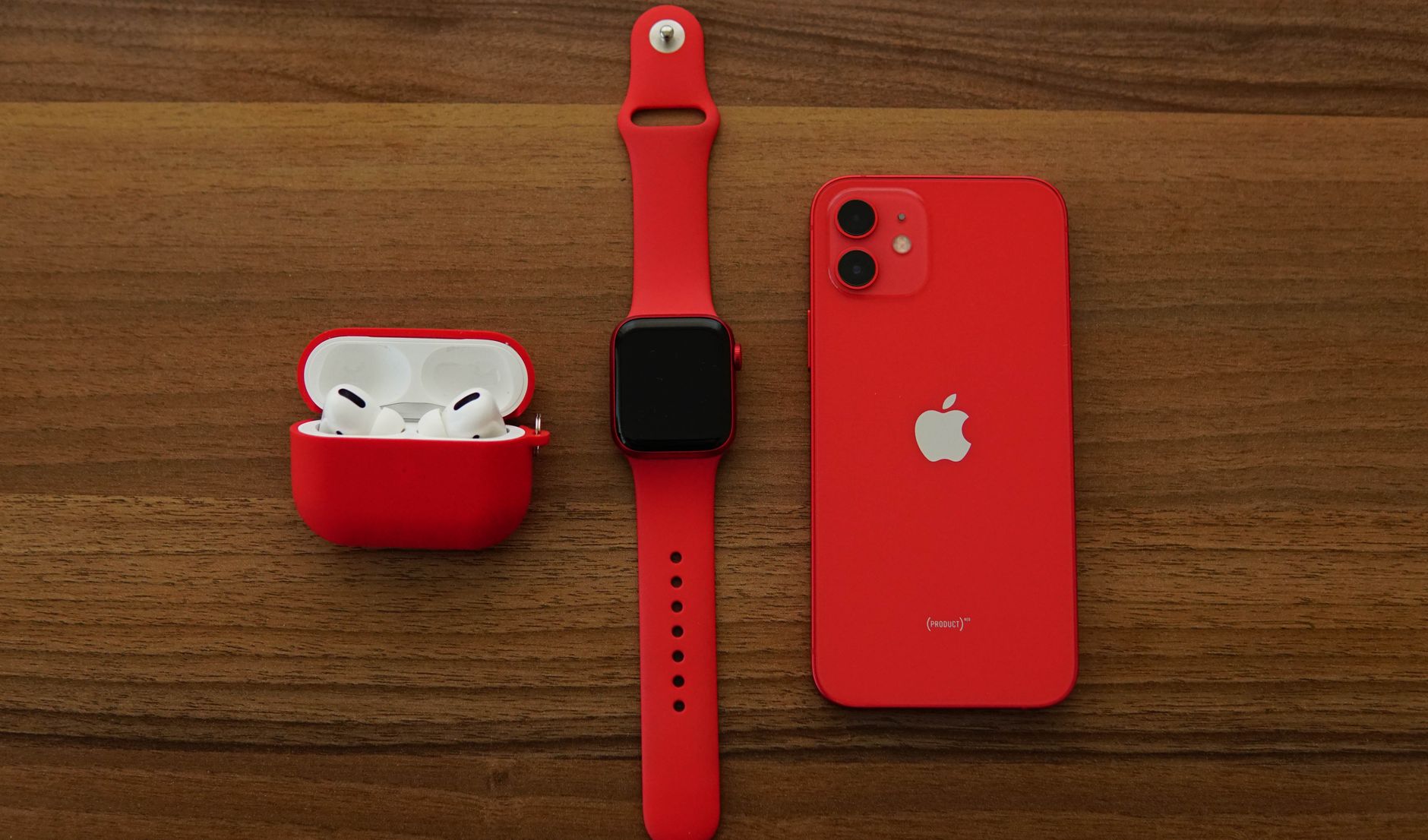
Beyond the Apple Watch: Exploring the Diverse Landscape of Smartwatch OS & Features (and What Truly Matters for YOU)
While the Apple Watch undeniably dominates the smartwatch market, its ubiquity often overshadows the rich and diverse ecosystem thriving beyond its polished aluminum shell. Delving into the world of smartwatches reveals a fascinating array of operating systems, each with its unique strengths and target audience. From Google's Wear OS, offering deep integration with Android devices and a vast app library, to Samsung's proprietary Tizen OS (now largely superseded by Wear OS on their newer watches), known for its intuitive rotating bezel interface, the choices are far from limited. Then there are specialized platforms like Garmin's Connect IQ, meticulously crafted for fitness and outdoor enthusiasts, boasting unparalleled GPS accuracy and advanced physiological metrics. Understanding these underlying operating systems is crucial, as they dictate not only the user experience but also the available apps, customization options, and overall compatibility with your existing devices. Don't let brand loyalty blind you to the potential innovation elsewhere!
The real challenge, then, isn't just knowing *what's out there*, but discerning what truly matters for YOU. Forget the endless spec sheets for a moment and consider your primary use cases. Are you a dedicated athlete seeking granular performance data and recovery insights? Then a Garmin or even a high-end Fitbit might offer more value than a general-purpose smartwatch. Do you prioritize seamless communication, contactless payments, and smart home control from your wrist? Wear OS or watchOS will likely be your best bet due to their robust app ecosystems. Think about:
- Battery life: Do you need multi-day endurance or are you fine with daily charging?
- Display type: AMOLED for vibrant colors or transflective for always-on visibility in sunlight?
- Health tracking: Basic step counting or advanced ECG, SpO2, and sleep analysis?
- Budget: Smartwatches range from affordable fitness trackers to premium luxury devices.
By focusing on your specific needs and preferences, you can cut through the marketing noise and find the smartwatch that genuinely enhances your daily life, rather than just adding another gadget to your collection.
If you're seeking a smartwatch experience beyond the Apple ecosystem, there's a wide array of compelling Apple Watch alternatives available. These devices often boast unique features, different operating systems, and varying price points to suit diverse needs and preferences. From robust fitness trackers to stylish smartwatches with long battery life, you're sure to find an option that perfectly complements your lifestyle.
Switching Smartwatch Ecosystems: Your Burning Questions Answered (Compatibility, Data Migration, & Making the Leap)
The prospect of switching smartwatch ecosystems can be daunting, bringing with it a flurry of questions about compatibility and data migration. One of the primary concerns is whether your new smartwatch will seamlessly integrate with your existing smartphone. While most modern smartwatches offer broad compatibility with both Android and iOS devices, there can be subtle differences in functionality depending on the pairing. For instance, some features might be exclusive to their respective operating systems (e.g., Apple Watch with iOS, certain Samsung Watch features with Samsung phones). It's crucial to research these nuances beforehand. Furthermore, consider the app ecosystem – will your favorite fitness trackers, banking apps, or smart home controls be available and function optimally on your new device? A quick check of the app stores for your prospective smartwatch prior to purchase can save you a lot of headache.
Beyond basic compatibility, the thought of data migration often presents the biggest hurdle. Years of fitness data, sleep patterns, and health metrics are valuable, and losing them can be a significant deterrent. Fortunately, many health and fitness platforms now offer ways to export or sync your data. Look for options within your current smartwatch's companion app or through third-party health aggregators that support multiple platforms. Services like Apple Health, Google Fit, and various fitness apps often have mechanisms to import data from different sources, or at least export it in a usable format. While a complete, one-click transfer might not always be possible, with a little effort, you can usually preserve the vast majority of your historical data. Researching the specific data export/import capabilities of both your current and prospective smartwatch ecosystems is a vital step in making a smooth transition.